

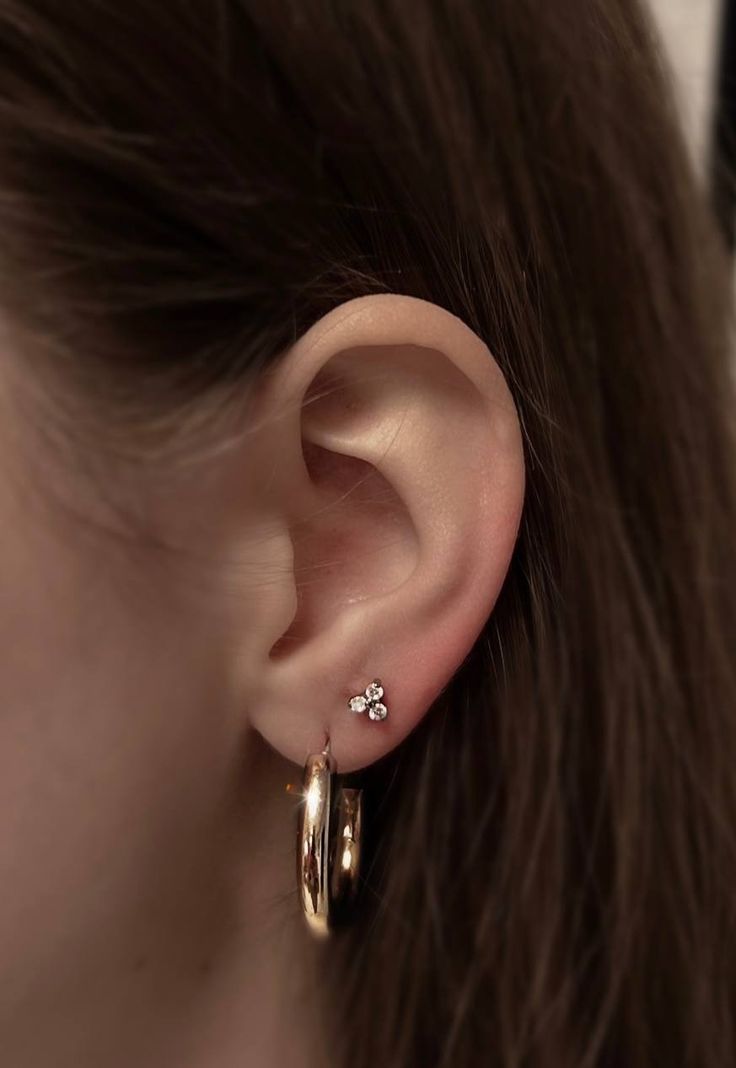
Standard lobe
The classic single piercing through the centre of the lower lobe. The most common piercing globally. Heals fastest due to excellent blood flow.
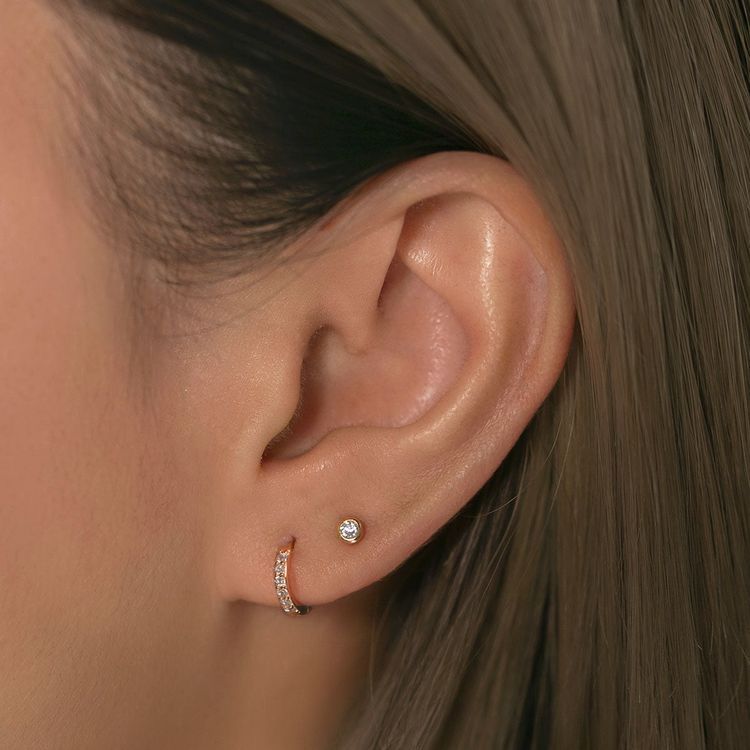
Double lobe
Two piercings on the same lobe — one lower, one higher. Popular for stacking two studs or a stud with a small hoop. Both heal simultaneously if done together.
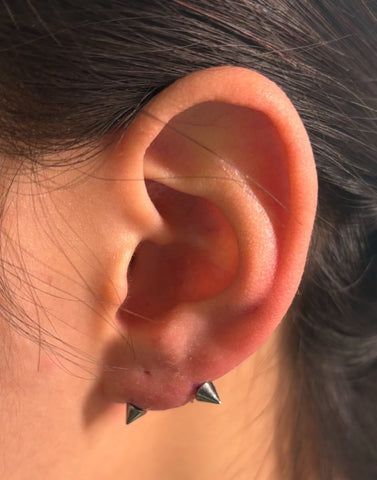
Transverse lobe
A bar passes horizontally through the lobe (side to side) rather than front to back. Creates a dramatic effect. Requires careful placement by an experienced piercer.
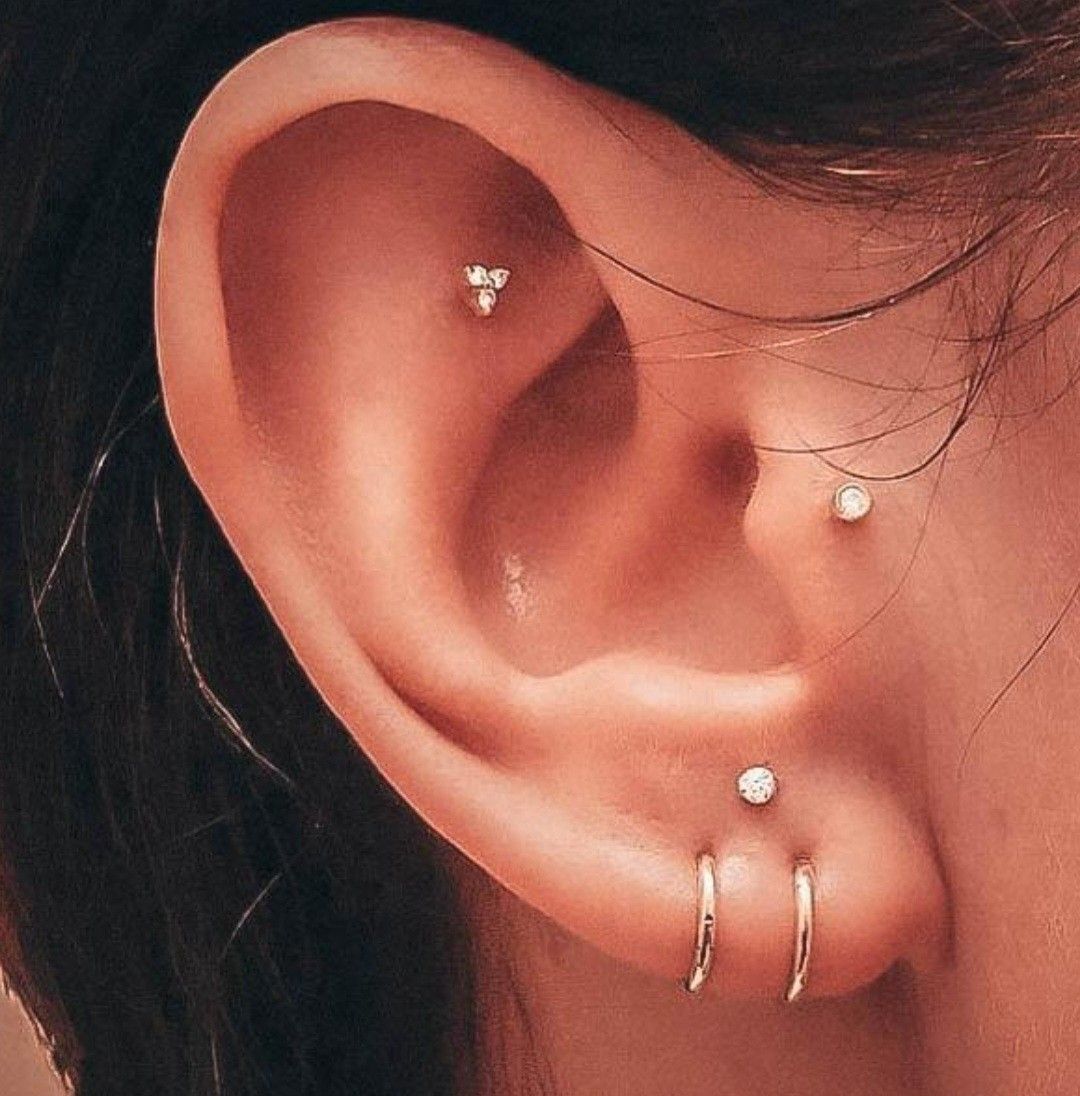
Upper lobe
Placed in the upper portion of the soft lobe, closer to where it meets cartilage. Slightly slower healing. Often used in stacked multi-lobe looks.
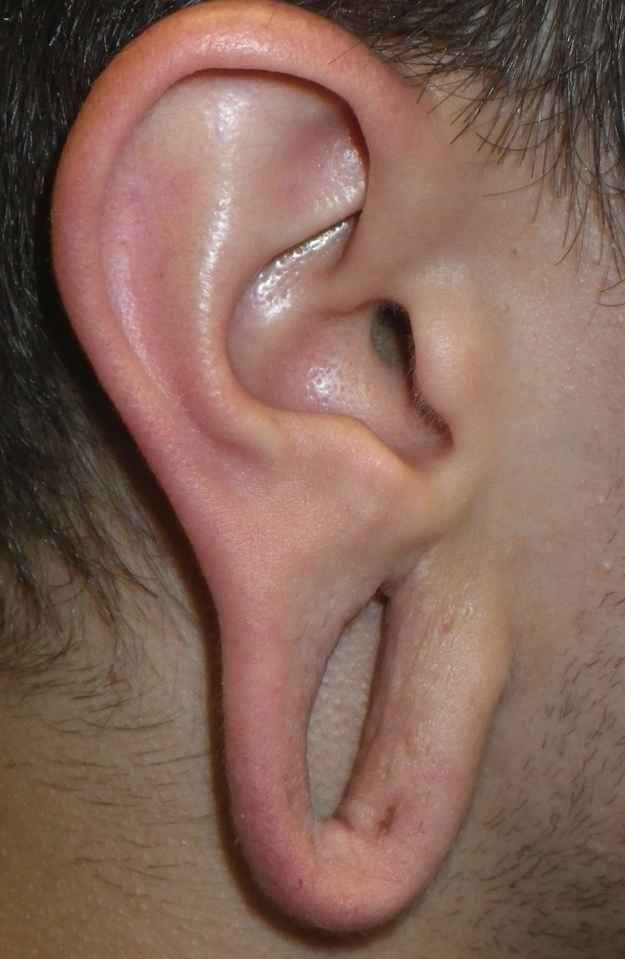
Stretched / gauge
Gradual stretching using progressively larger jewellery (plugs/tunnels). Size measured in gauges. Can be partially reversible at small sizes; surgical repair needed for large gauges.
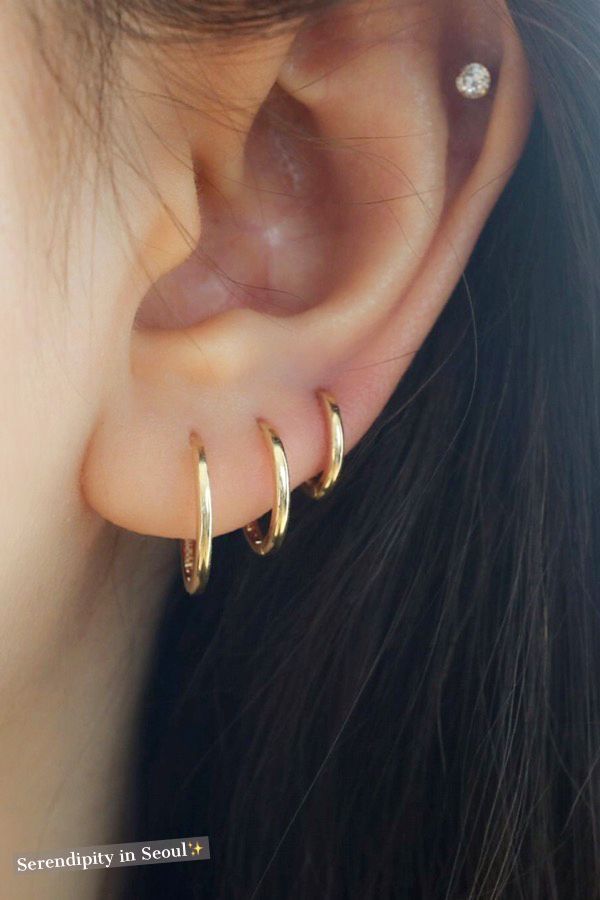
Triple / multiple lobe
Three or more piercings along the lobe. Allows creative stacking of different jewellery sizes and styles. Common in curated ear trends.

Ear Lobe Piercing
Lobe piercing creates a small opening using a sterile needle (preferred) or piercing gun; dermatologists recommend needles for cleaner, safer, and faster healing.

Torn Lobe Repai
Earlobe repair is a minor procedure under local anaesthesia to fix torn or stretched lobes, using fine stitches for quick healing—typically completed in 30–45 minutes.

Keloid Removal & Treatment
Earlobe keloid treatment uses a combination approach—steroid injections, surgical removal, and preventive therapies like pressure treatment or laser—to reduce recurrence and improve results.

Earlobe Filler Rejuvenation
Earlobe rejuvenation uses hyaluronic acid fillers to restore lost volume, improve firmness, and lift drooping earrings—offering instant results in a quick, minimally invasive procedure.

Earlobe Reduction Surgery
Earlobe reduction (lobuloplasty) is a minor cosmetic procedure that reshapes oversized or drooping earlobes for a more youthful look, with minimal hidden scarring.

Gauge / Plug Closure Surgery
Gauge ear repair is a surgical procedure to close and reconstruct stretched earlobe holes, restoring a natural shape with the option for re-piercing after healing.