

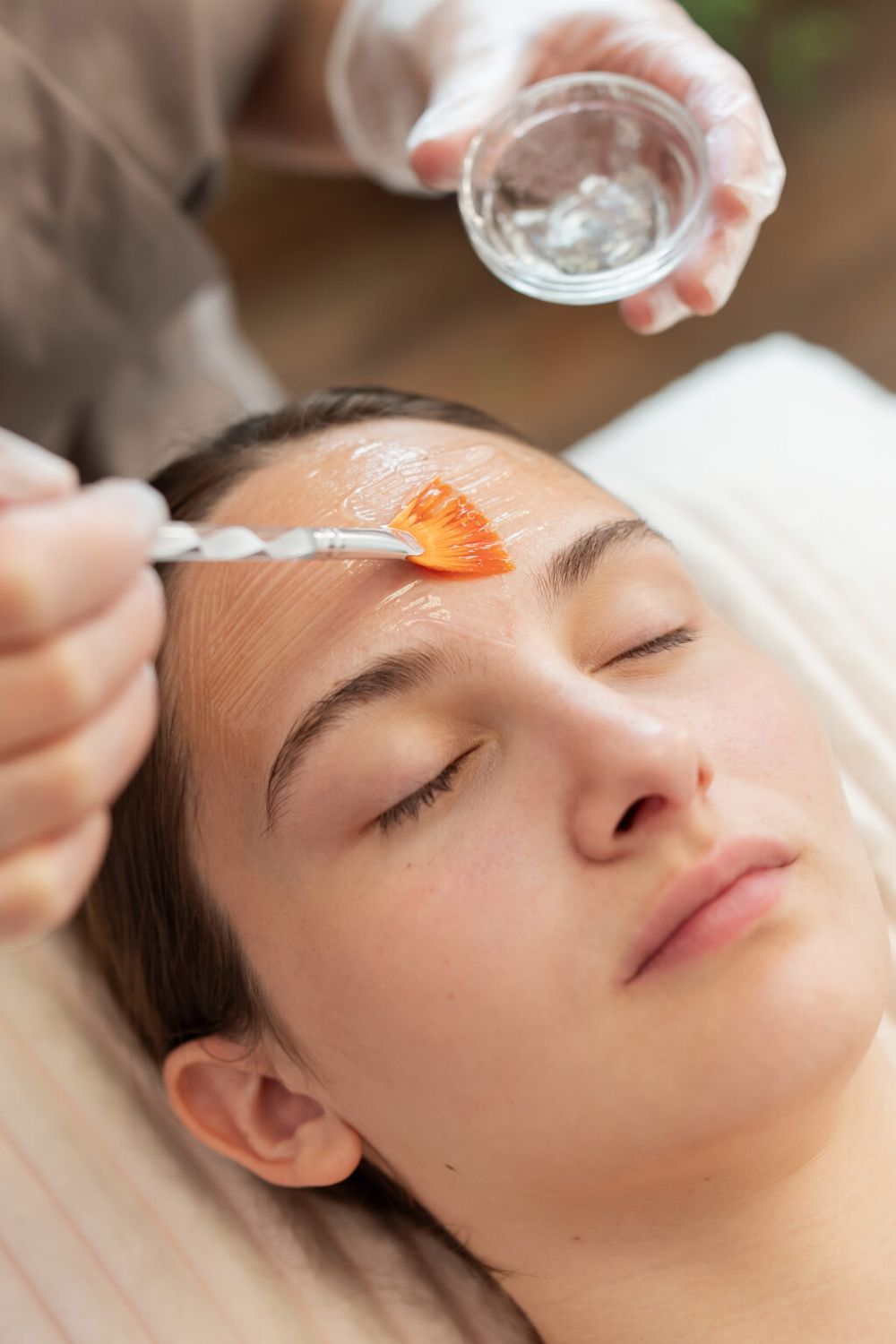
Light Peel
The gentlest option. Works on the outermost skin layer (epidermis) to remove dead cells, unclog pores, and refresh the complexion. Ideal for first-time peel patients and those with mild concerns. Epidermal regeneration occurs within 3–5 days.
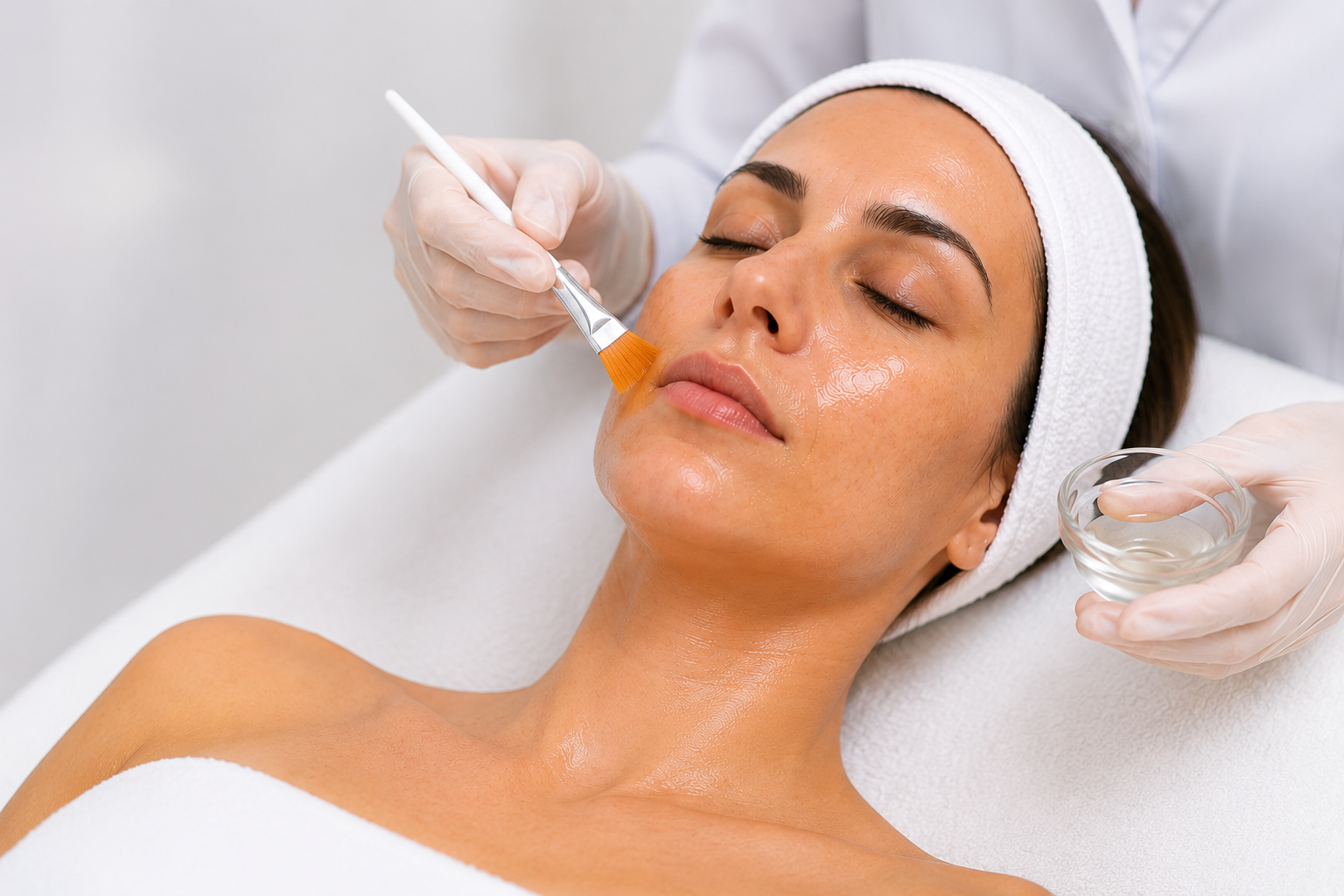
Medium Peel
Penetrates deeper into the papillary dermis, addressing more significant skin concerns. Produces a more dramatic renewal, with visible peeling and redness lasting 7–14 days. Significantly boosts collagen remodelling.
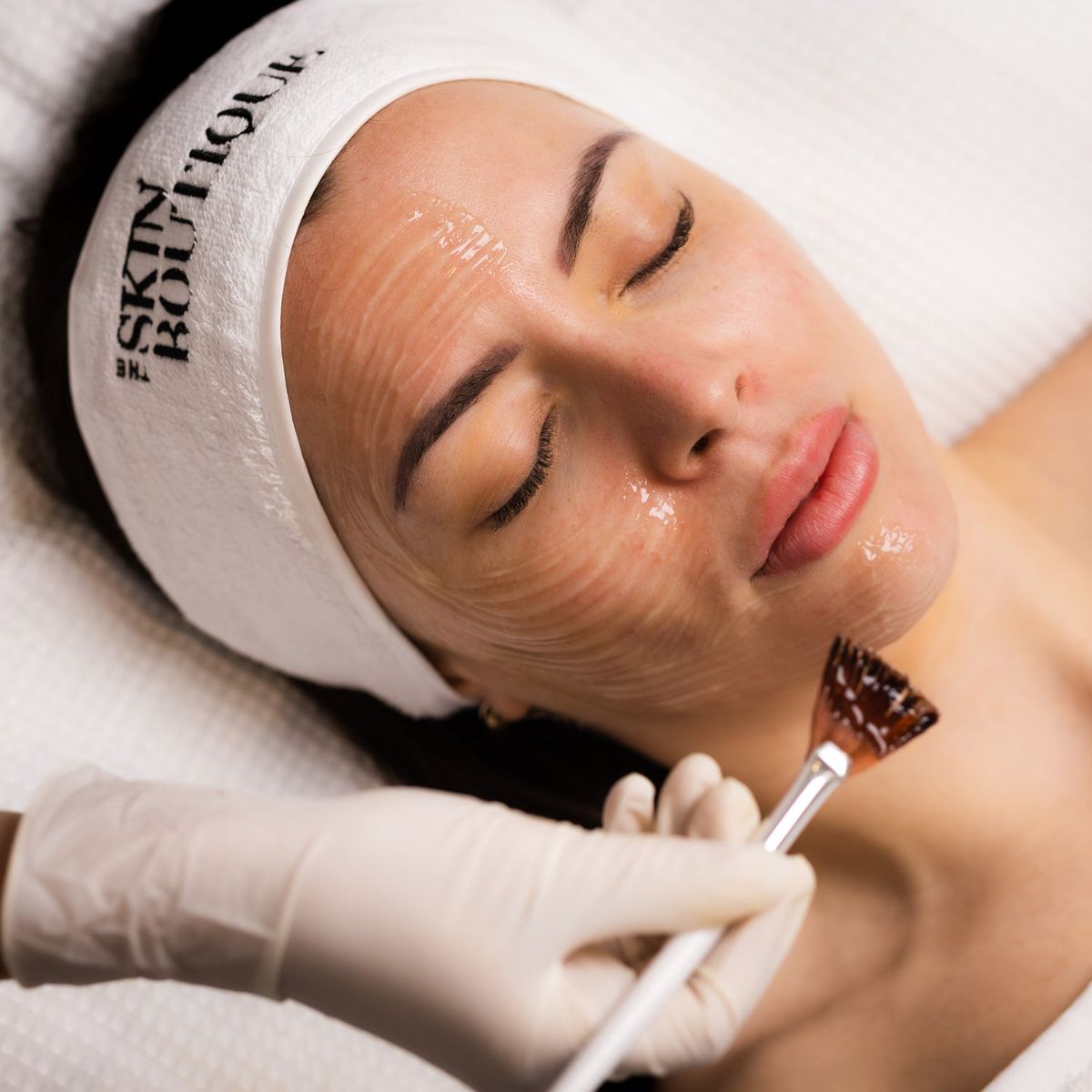
Deep Peel
The most intensive peel, reaching into the mid-reticular dermis. Requires sedation or local anaesthesia. Performed only once in a lifetime. Results can last up to 10 years, but recovery is extensive. Requires comprehensive pre and post-treatment care.
Glycolic Acid
Derived from sugar cane. Smallest molecular size — penetrates deeply. Excellent for anti-ageing, exfoliation, and collagen stimulation. Available in 20–70% concentrations.

Salicylic Acid
Oil-soluble — penetrates into pores and sebaceous glands. The gold standard for acne-prone and oily skin. Anti-inflammatory and comedolytic (unclogs pores).
Lactic Acid
Milk-derived, gentler than glycolic. Ideal for sensitive skin and darker Indian/South Asian skin tones. Hydrating and brightening with lower risk of irritation.

Mandelic Acid
Large molecular size means slower, gentler penetration. Safe for darker Fitzpatrick skin types (III–VI). Effective for pigmentation and acne without inflammation risk.

TCA
Trichloroacetic Acid — the most versatile medium-depth peel. Concentration determines depth (15–35% superficial to medium; 50%+ deep). Excellent for scars, wrinkles, and pigment.
Kojic Acid
Derived from fungi. Inhibits melanin production — a powerful brightening agent often combined with other acids in peel formulas targeting melasma and dark spots.

Consultation & skin analysis
Your dermatologist evaluates your Fitzpatrick skin type, medical history, active medications, and specific skin concerns to select the right peel type, acid, and concentration.

Pre-treatment preparation
Stop retinoids, retinol, and exfoliating products 1–2 weeks prior. Avoid sun exposure. If prescribed, apply a priming cream (e.g. hydroquinone or tretinoin) to prepare the skin.

Skin cleansing & degreasing
On the day of treatment, skin is thoroughly cleansed and degreased (with acetone or alcohol) to remove oils and ensure even peel penetration across the treatment area.

Chemical solution application
The peel solution is applied with a brush or gauze. You'll feel a warm tingling or stinging sensation. The doctor monitors the skin carefully for redness, frosting, or reaction signs.

Neutralisation & removal
After the required time, the chemical is neutralised with water or a sodium bicarbonate solution and rinsed off to stop the chemical action precisely at the correct depth.

Soothing & sun protection
Calming creams, moisturisers, and SPF are applied immediately. For deeper peels, a post-procedure ointment regimen is prescribed for the healing period.